Converting fusion energy into electricity
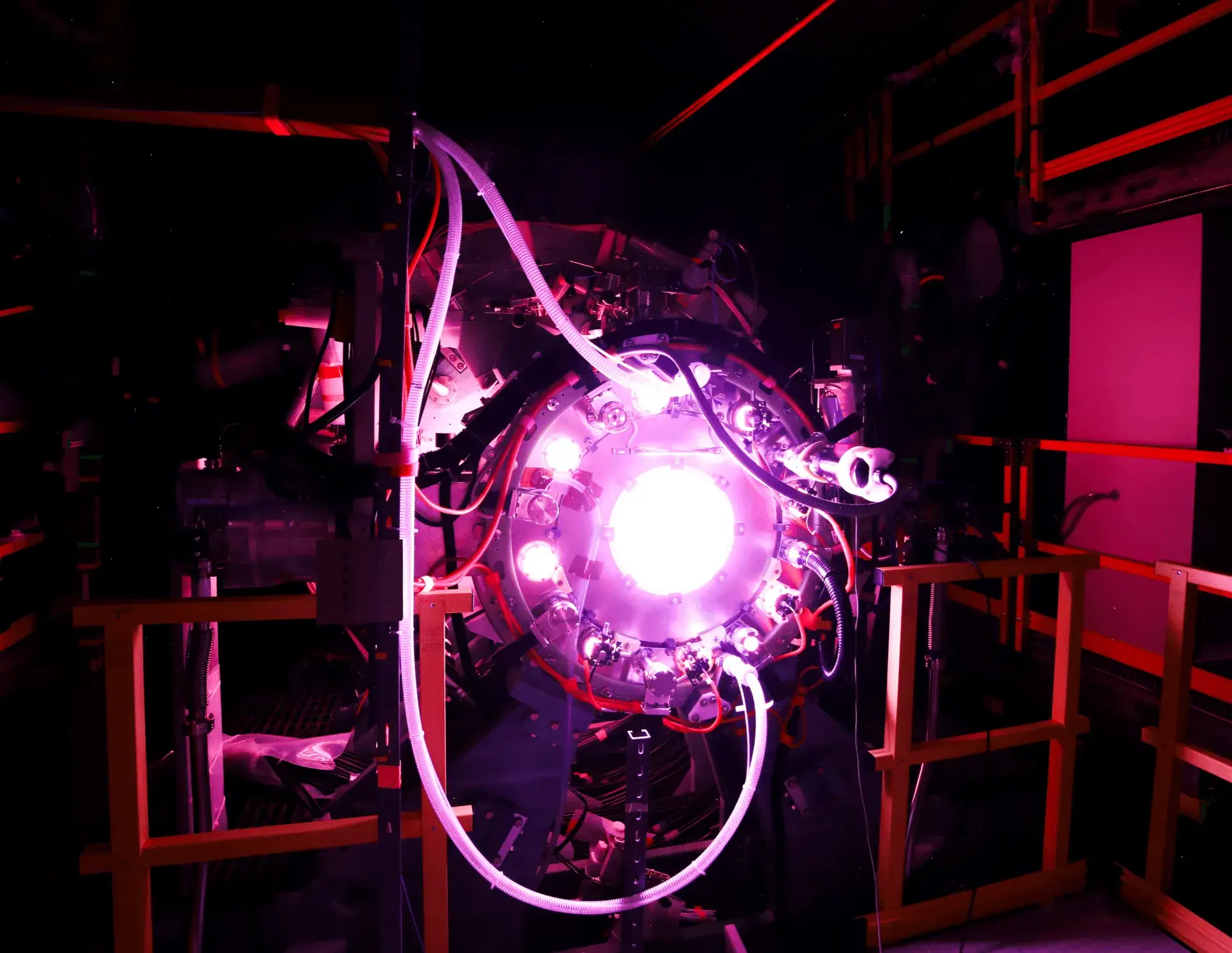
Polaris is our seventh prototype, built to demonstrate our ability to convert fusion energy into electricity. A more efficient system, creating a path for commercial fusion power.
P
O
L
A
R
I
S
HELION'S FINAL PROTOTYPE
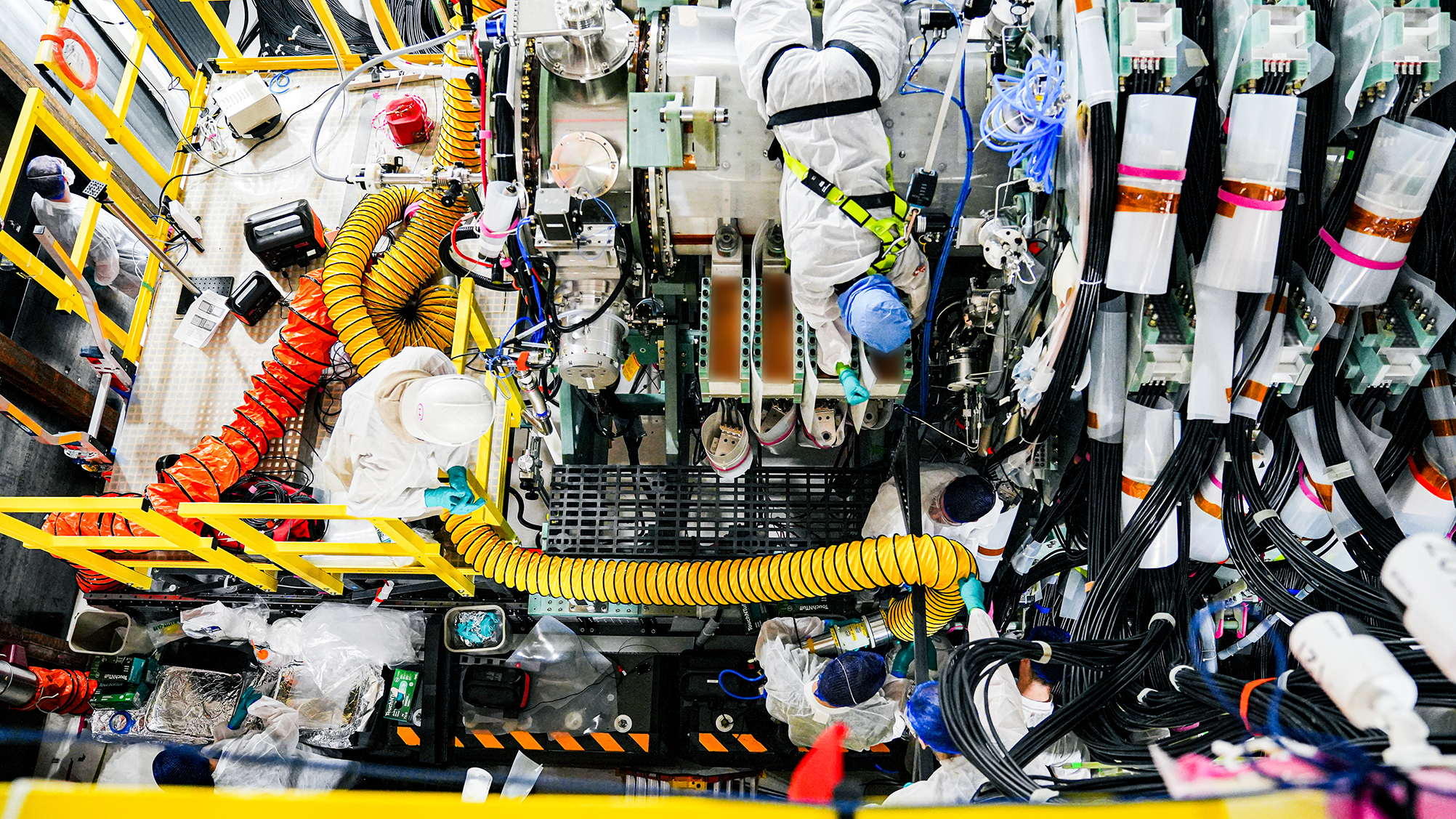
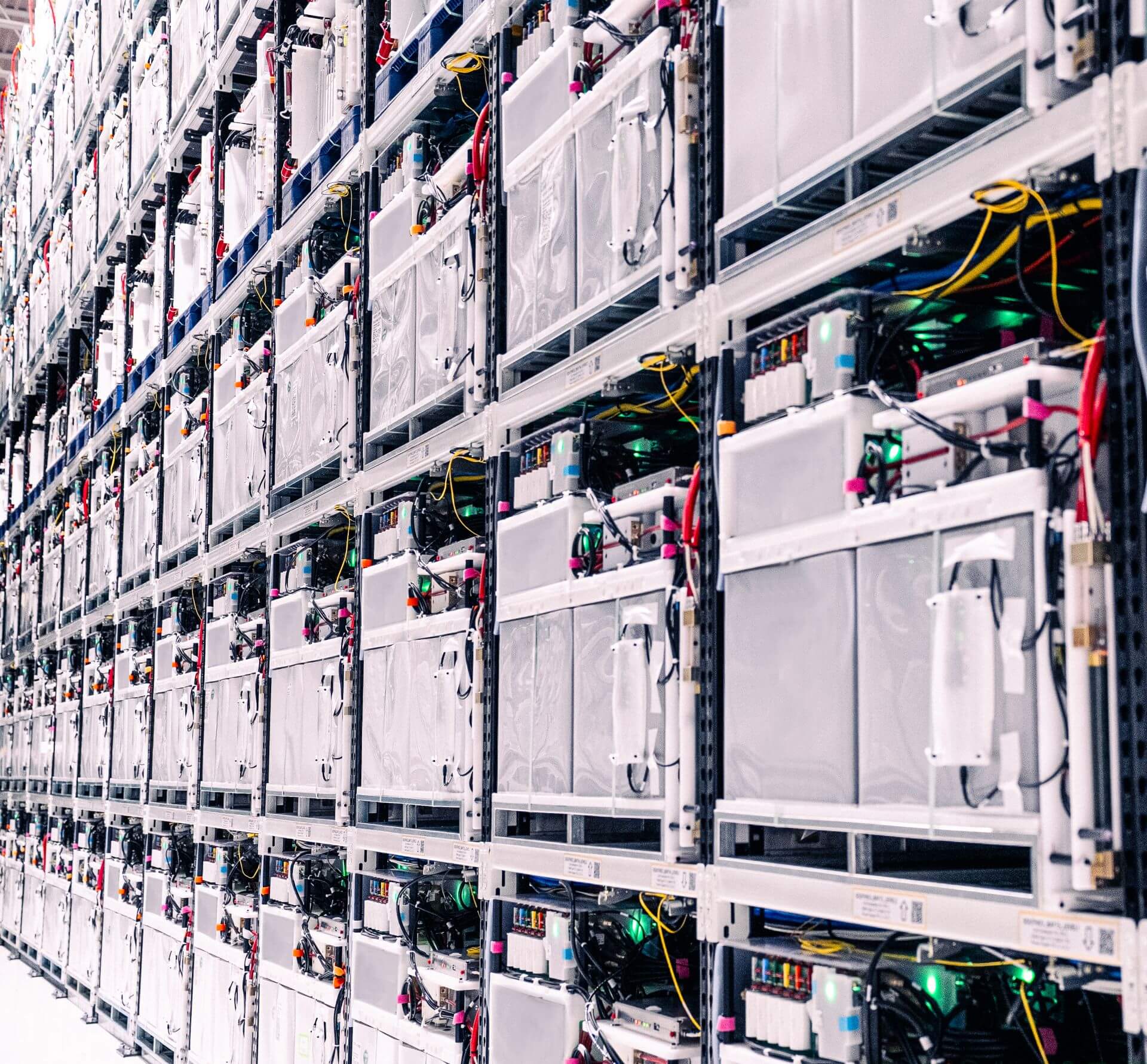
Polaris builds on six previous prototypes and advances the systems required for a commercial fusion power plant. Stronger compression magnets, a larger capacitor bank, and high-efficiency recovery circuits enable Polaris to recapture electricity from the fusion process.
Design specifications
Total length
19 m
Fuel
D-D, D-T, D-He-3
Bank energy
50+ MJ
Peak magnetic field
15+ T
Inductive energy recovery
Yes
Isotope separation
Yes
Total diagnostics
3,800
00:00
Direct electricity recapture
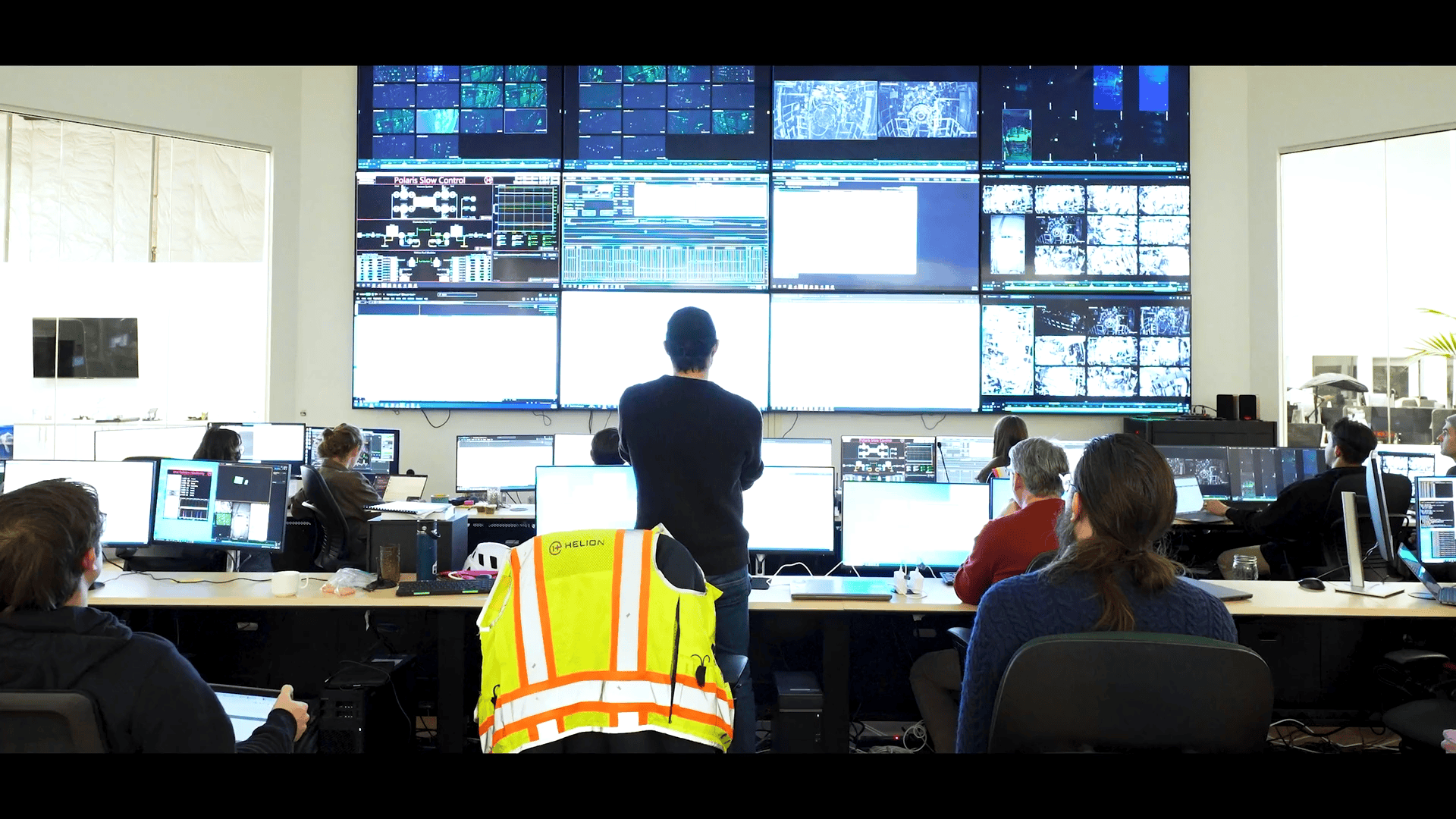
Polaris is designed to recover input energy in addition to the energy generated by fusion. As the magnetic field changes during plasma expansion, current is induced and captured directly as electricity. No steam cycle is required.

From Polaris to Orion
Polaris operational data drives the design of Orion, our first commercial fusion power plant. Each test campaign refines performance and reduces technical risk.
Work at Helion
POLARIS IS NOT OUR FINAL STOP. WE HAVE MORE WORK TO DO.
Frequently asked questions
CLEAR ANSWERS ABOUT FUSION POWER AND OUR APPROACH
What is Polaris designed to do?
Polaris is designed to demonstrate electricity production from fusion and also to validate Helion’s ability to scale operations between different fuel mixes (D-D, D-T, D-He-3). This will be the first time a fusion machine has directly recovered and stored electricity from fusion-generated plasma expansion.
This achievement will give us confidence in our ability to design and build fusion machines that can produce the fusion energy in the operating fuels required for a commercial fusion power plant. It will be an important milestone, not only for us, but for the fusion industry.
Is Polaris a net electricity machine?
In 2021, we used “net electricity” when discussing the goals of Polaris. In hindsight, we realized that the term "net" didn't align with the commercial-driven goals of our 7th fusion prototype, and also wasn't as clear as we intended. Today, we prefer to direct focus to the more concrete goal of Polaris: to demonstrate electricity from fusion, where we show we made fusion energy and converted a portion of it to electricity on the capacitor bank. This achievement will help us move toward commercial electricity production for the grid.
What fuel does Helion use?
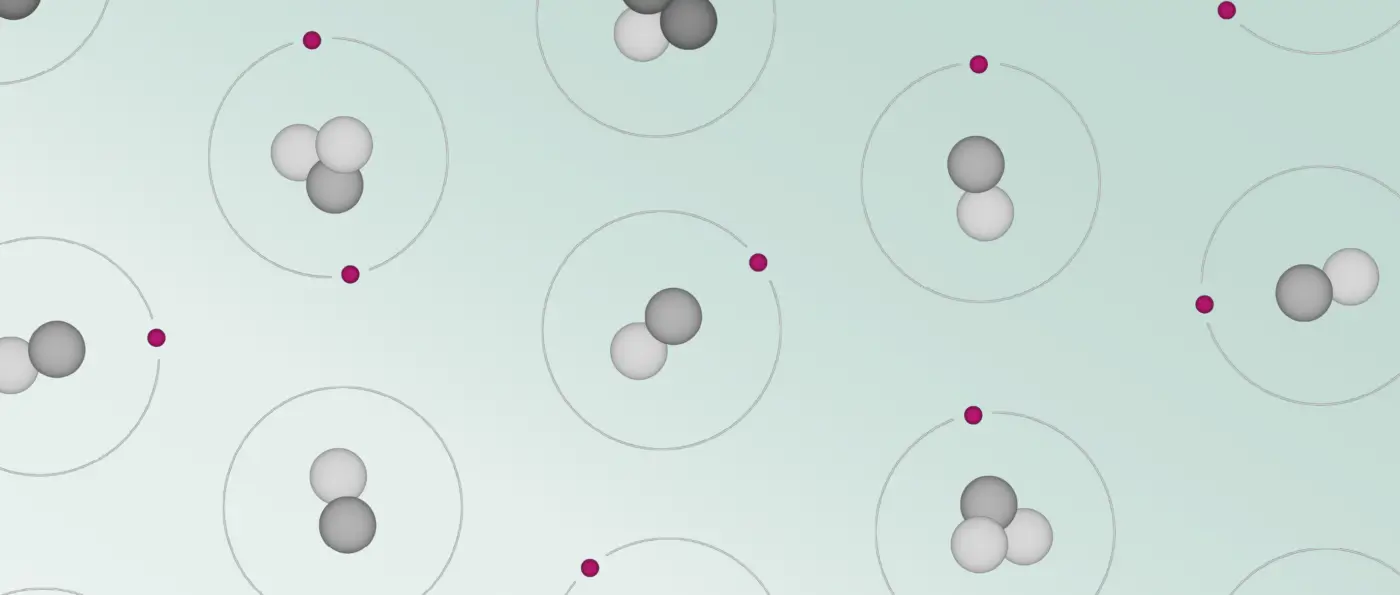
Helion’s long-term commercial fuel cycle is based on deuterium and helium-3. Deuterium is an isotope of hydrogen that can be extracted from water. Helium-3 is rare naturally, so Helion plans to produce it through its own fuel cycle.
Throughout testing and operations, Helion will use a mix of deuterium, tritium, and helium-3, validating our systems across fuel types. As our machines get qualified for higher operating parameters, temperatures, and pressures, we will decrease the amount of tritium and increase the amount of He-3.
How will Helion measure electricity production from fusion?
Helion measures electricity production using custom electrical diagnostics that track energy in our system before and after each pulse. These diagnostics, installed on each of our bank sub-units, measure capacitor voltage with high precision and, when combined with per-unit capacitance data collected during assembly of the bank, provide an accurate picture of energy changes from each pulse.
The key proof point is showing that a portion of the energy returned to a subsystem’s capacitor bank came from fusion-driven plasma expansion, rather than only from ordinary inductive coupling in the circuit.

How does Helion stabilize FRC plasmas during rapid compression and merging?
Geometry, elongation, trapped flux, timing, symmetry, and compression profile all affect stability. Helion designs and operates its machines to keep the FRC in favorable stability regimes during the pulse, including by designing for increased elongation, which is beneficial for stability, and by operating within key stability boundaries.