Design-Specific Licensing: What it takes to deploy fusion at scale
May 26, 2026
Andrew Proffitt
Senior Director, Regulatory Policy
Building the first commercial fusion power plant is hard. Building the next hundred is the challenge that determines whether fusion delivers on its promise and changes our energy system.
America's electricity demand is rising after years of relative flatness. AI infrastructure, advanced manufacturing, industrial growth, and energy security are all driving the need for reliable, clean power. Fusion can deliver unlimited, dispatchable, baseload electricity, and Helion is working urgently to deliver it.
The first plant is not the finish line
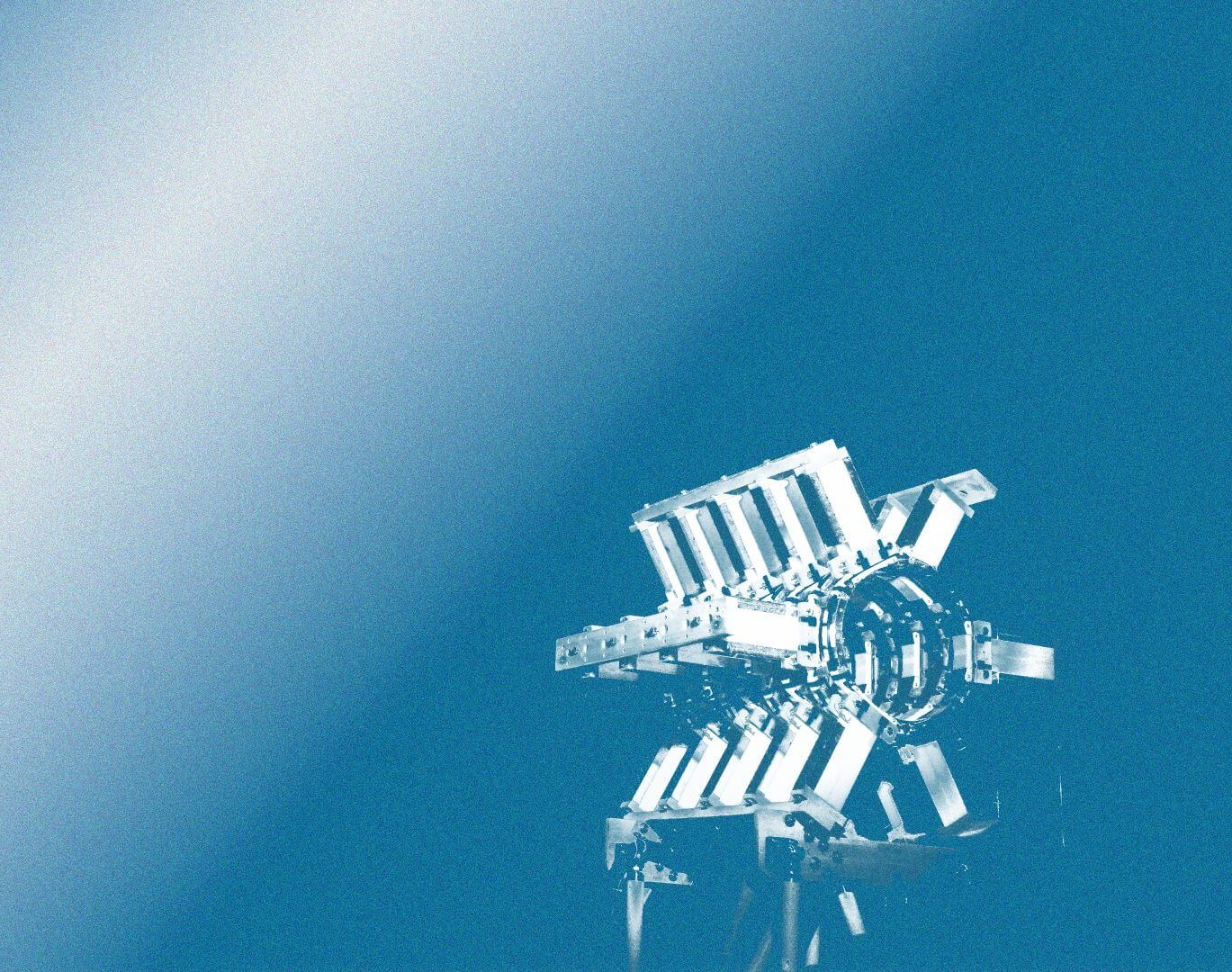
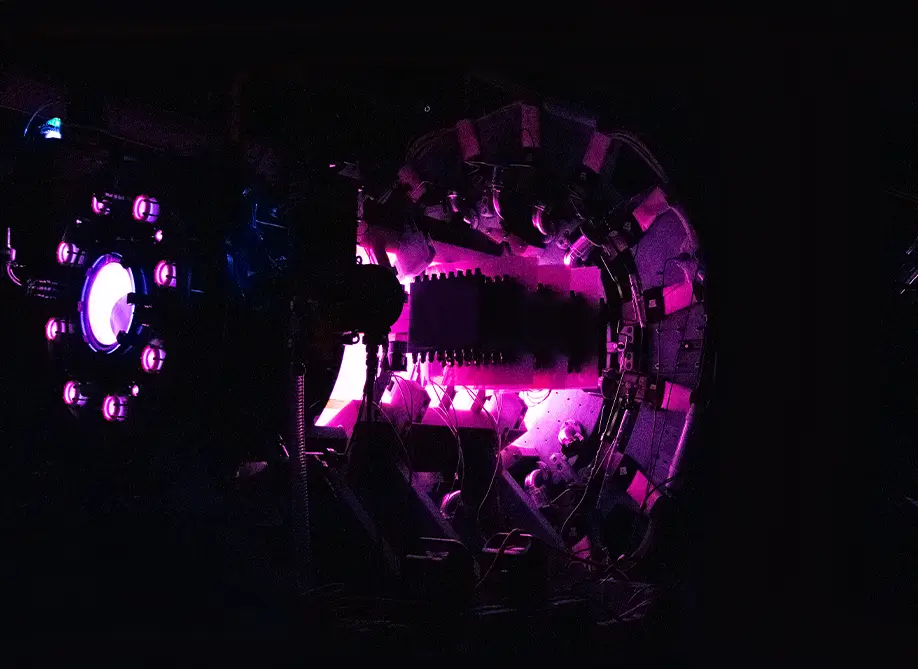
Polaris, our seventh-generation fusion prototype, has already set major milestones and continues to move us toward demonstrating electricity from fusion. At the same time, we are building the world's first commercial fusion power plant, Orion, in Malaga, Washington, to deliver electricity to Microsoft. These are extraordinary technical milestones. But what comes next is its own challenge of similar scale: how do we build a regulatory system that enables repeated deployment without starting over each time?
Plasma physics won't be the bottleneck to scale. The challenges lie around the fusion process: materials and manufacturing processes that must mature, supply chains that must deepen, and the regulatory system that must support deployment at scale. Today's site-by-site, bespoke licensing approach has worked for first-of-a-kind projects, but it will not scale to fleets of identical machines.
A regulatory framework built for scale
The ability to deploy at scale depends on a regulatory framework that does not treat every deployment as a unique entity to be individually reviewed, evaluated, and licensed from scratch. Instead, the overall design should be reviewed and registered once, its environmental impacts evaluated with meaningful public and Tribal input, and qualified operators licensed once to deploy across the country. We call this concept a design-specific license, or DSL, and laid it out in detail in our 2025 paper, Preparing for At-Scale Deployment of Fusion Energy: Novel Licensing Pathways.
How other industries scale safely
We don't need to invent a new regulatory approach from scratch. The pieces already exist in industries Americans rely on every day, like aviation, automotive, and healthcare, that safely deploy complex, mass-manufactured technologies at incredible scale. We need the same approach for fusion.
Aviation offers a useful parallel. Once the FAA certifies an aircraft design, that approval carries forward to every unit produced and flown across the country. Each plane is subject to manufacturing, maintenance, and operational oversight, but the design itself isn't reviewed again from scratch. The same principle applies in medical devices: once the FDA approves a device design, it can be manufactured and used in hospitals nationwide while ongoing safety oversight continues throughout its lifecycle. That same approach — review the design once, then pair deployment with ongoing oversight — is the foundation of the design-specific license concept.
What DSL does
At its core, our DSL concept does three things: it reviews and approves the generator design once, qualifies the organization deploying and operating approved designs, and leverages a robust upfront environmental review to streamline subsequent site approvals nationwide. DSL keeps oversight strong and ensures meaningful public and Tribal engagement, while avoiding duplicate reviews that add cost and delay without strengthening safety or environmental protection.
Fusion generator registry: A shared safety basis across jurisdictions
Instead of reviewing the same design repeatedly across jurisdictions, a fusion generator registry enables the NRC, an Agreement State, or a coordinated team representing both, to conduct a single, comprehensive safety evaluation up front. Once a design is registered, that safety basis can be recognized across the National Materials Program (the cooperative system through which the NRC and Agreement States jointly regulate radioactive materials), allowing future deployments to rely on the initial review.
The model isn't new. The NRC's Sealed Source and Device Registry takes a similar approach for byproduct material devices: the NRC or an Agreement State reviews a device once, registers it, and the registration can be relied on by other states. A fusion generator registry would build on that proven concept and adapt it for commercial fusion machines.
Design-specific license: Certifying operators to deploy nationwide
Registering a design is one part of the puzzle. Approving the company that will deploy and operate identical builds of that design is the other, a scalable framework must address both.
Under DSL, a qualified operator would obtain a single license covering the deployment, operation, and decommissioning of machines approved through the fusion generator registry. Paired with existing reciprocity tools, that license would allow registered machines to be sited across the country without repeating the full process at each location. Once sited, the operator would notify the relevant regulator and become subject to inspection and ongoing oversight.
A practical framework also needs to fit how fusion companies will operate at scale. To raise capital, build, and deliver electricity efficiently, they will likely organize across multiple related entities. DSL should accommodate that, focusing on what matters for safety, like qualified people, effective controls, and clear lines of accountability, rather than on corporate structure.
Environmental foundation: A thorough review, broad benefit
Environmental review should be rigorous, transparent, and proportionate to actual impact. Fusion power plants are expected to have a meaningfully smaller environmental footprint than traditional energy facilities, including in areas such as land use, water use, fuel cycle, and byproduct profile. Helion's Orion site recently completed Washington's environmental review process with a Mitigated Determination of Non-Significance (MDNS), alongside public review and community engagement, an early example of what fusion's profile looks like in practice.
Whether environmental review is led by the NRC or by a state regulator under its own authority, the opportunity is to structure that work in a way that serves more than a single deployment. A robust upfront review of a fusion power plant design within a defined siting envelope, with appropriate public and Tribal engagement, can establish the environmental foundation that supports future deployments fitting within that envelope. For designs with limited impacts, that review could support a finding of no significant impact, consistent with how similar findings have been reached for other byproduct material uses.
A thorough, well-documented analysis can serve more than a single project. It can streamline subsequent deployments and provide a strong technical foundation that regulators across jurisdictions can reference, adopt, or build on under their own authorities. The result is faster fusion deployment without duplicating work that's already been done.
The conversation has started
Many of the concepts we proposed are now under active consideration at the NRC. Through the ADVANCE Act, Congress directed the NRC to look at design-specific licensing frameworks for mass-manufactured fusion machines, and in July 2025 NRC delivered the Study on Risk-Informed, Performance-Based, Design-Specific Regulatory Frameworks to Support Licensing of Mass-Manufactured Fusion Machines. The study drew on existing frameworks at the NRC, FAA, FDA, and other agencies that safely deploy complex, mass-manufactured technologies at scale, concepts that overlap closely with what we proposed.
In February 2026, the NRC published a proposed rule, Regulatory Framework for Fusion Machines, that would formally bring fusion machines into the byproduct material framework. That rule is an important step that delivers regulatory certainty for near-term fusion deployment, but more is needed to enable efficient deployment of identical power plants at scale.
In March 2026, the agency went further in a follow-on Congressional Report on Fusion Rulemaking Activities, laying out future work toward a streamlined licensing pathway for mass-manufactured fusion machines. The next step is a technical and policy white paper by September 2026 to translate these concepts into regulatory approaches, which can help shape a future rulemaking and give developers the certainty and predictability needed to invest and deploy at scale.
That's real progress, and a sign the NRC is taking the challenge of fusion at scale seriously.
The road ahead
David Kirtley, our CEO, often says that if we build one commercial fusion power plant, we have failed. And he's right. The promise of fusion isn't a single demonstration but a fleet of fusion power plants delivering clean, abundant electricity to data centers, factories, and communities across the country. Getting there means building the machines as well as delivering a regulatory system that allows proven designs to be deployed repeatedly, safely, and efficiently.
Fusion is closer than most people realize, and the window to get the regulatory framework right is open now. The NRC has started that work, and the real opportunity is to finish it before scale arrives, not in response to it. That's what DSL is about: strong oversight, clear regulatory expectations, and a path from first-of-a-kind to many-of-a-kind deployment.
.png)