Building the foundations for fusion at scale
September 29, 2026
Tom Bugert
Senior Director, State and Local Affairs
.png)
At Helion, we know the world needs more than just one demonstration of electricity from fusion or one commercial fusion power plant. Our mission is to satisfy the world's need for clean, abundant energy, and we need to start preparing for deployment at scale now if we are going to achieve it on a timescale that matters.
Meeting that goal is more than just an engineering or manufacturing problem. To provide fusion power at scale, we must:
- Build a fusion supply chain and economy, in the United States and with our allies, to manufacture fusion power plants at the speed we know is possible.
- Partner with interested communities to identify, prepare for, and site fusion power plants at the same pace we can build them.
Both take time and require significant coordinated action to achieve. We can reap the benefits of accelerated fusion deployment, but only if we start that work in our communities now.
Build them: Establish the fusion economy and industrial base in the United States
We cannot build the required supply chain as one company in a vacuum (pun very much intended).
We need a fusion economy.
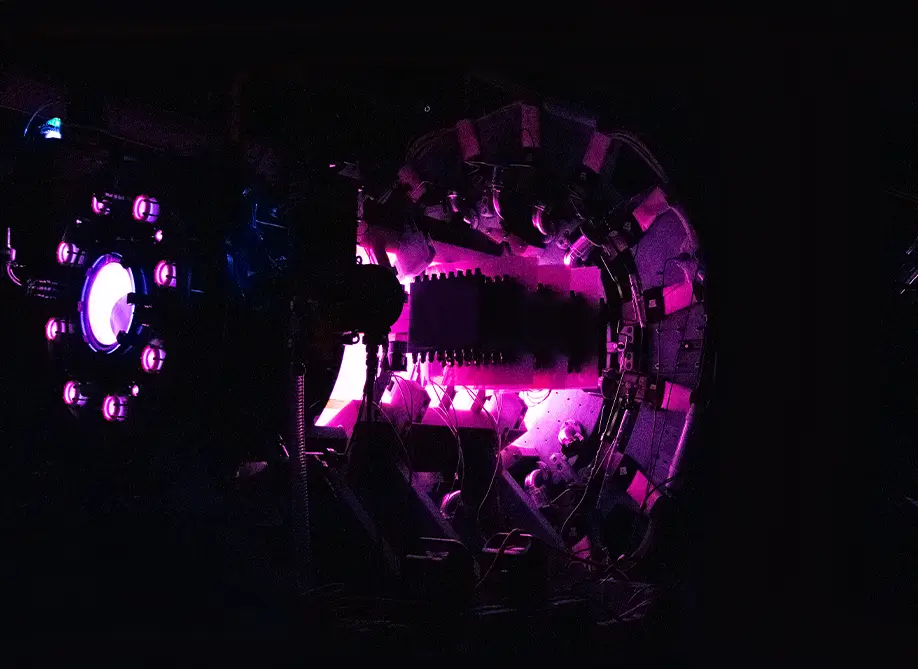
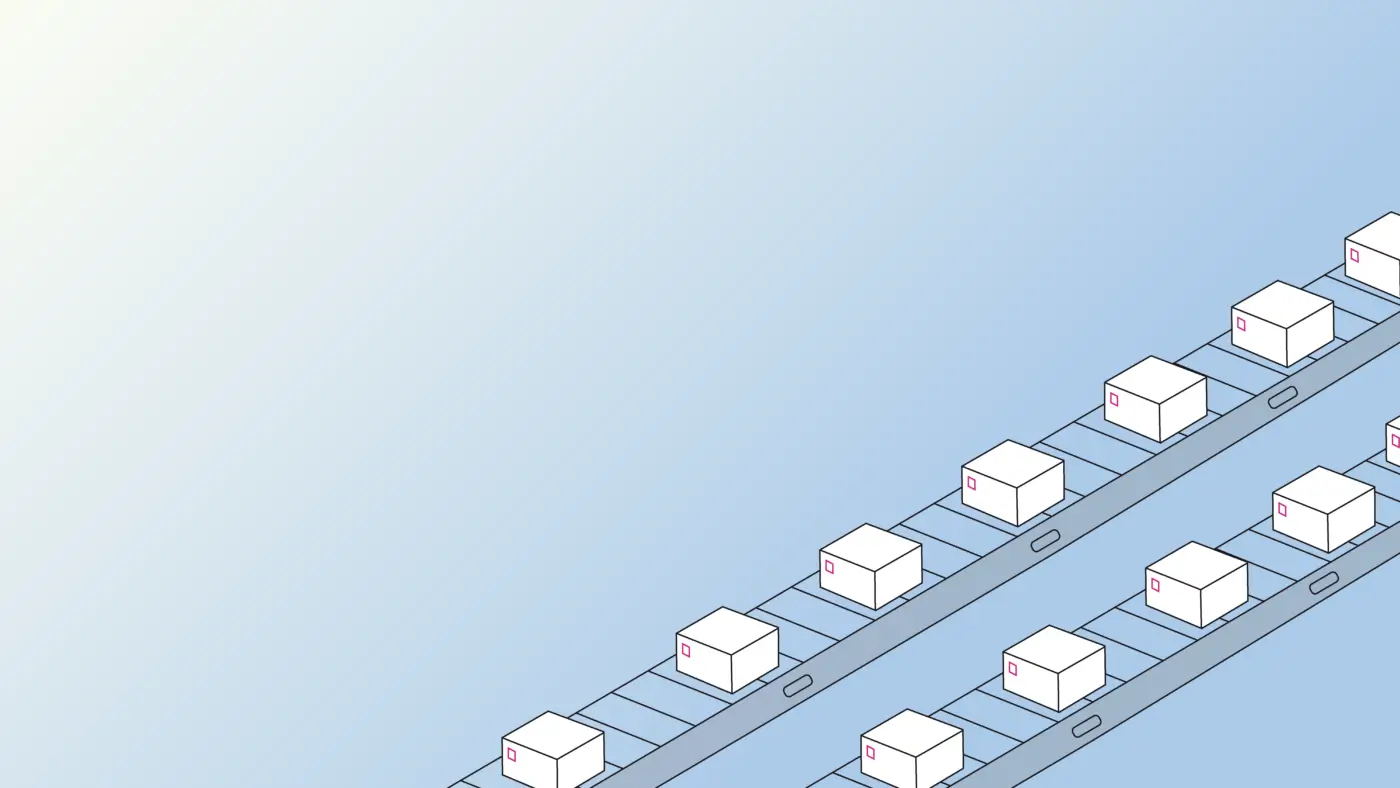
After building seven fusion machines, with many, including our most recent, Trenta and Polaris, setting world-leading private sector performance milestones, we've found that the manufacturing and assembly needs for fusion are comparable to building a modern automobile or commercial aircraft. It requires the same discipline those industries mastered long ago: precision-managed supply chains, exacting assembly and quality standards, and thoughtfully designed processes that make complexity repeatable. We envision fusion generators rolling off assembly lines every day to meet scaled demand, just as cars and aircraft do now.
Helion's generators require thousands of components: semiconductors, metals, capacitors, power electronics, and much more. Building one generator requires extraordinary engineering and manufacturing. Building them repeatedly requires a fusion industrial base.
We've written before about why a strong domestic fusion economy will be essential to deploying fusion at scale. The policy choices made now will determine which communities and which countries capture the economic benefits of scaling this technology.
Moving from building generators annually to weekly, and ultimately daily, creates an opportunity for manufacturers and communities across the country. Communities that already produce power electronics, semiconductors, steel, and other industrial products can become part of the fusion economy. Regions with manufacturing workforces and industrial infrastructure can help build the next generation of American energy technology.
The fusion economy will reach communities across the country. Those that start preparing now will be the ones that benefit most.
Site them: Identify and prepare locations for fusion power plants
There is another side of the deployment equation.
No matter how quickly we can manufacture a fusion generator, it still needs somewhere to call home and connect to the grid.
We need to think of power plants as neighbors in a community, not just as infrastructure. Power plants connect to transmission systems. They need land and infrastructure, permits and regulatory approvals, construction workforces, and relationships with the people who will live and work alongside them.
Helion has experienced this firsthand while developing Orion, our first commercial fusion power plant, in Malaga, Washington. Since 2023, as Orion has moved through environmental review, permitting, licensing, and construction, we've gotten to know the community: its schools and first responders, rotaries and community groups, the local public utility, and Tribal Nations. We've worked alongside state and local officials, health department, and environmental regulators. And through it all, we've been getting to know the people who will be our neighbors for years to come.
Our experience underscores something fundamental about deploying fusion energy at scale: we can mass manufacture a fusion generator, but trust isn’t manufactured. It’s earned over time by showing up, listening, being responsive, and being a good neighbor.
Building Trust: Meet communities where they are
Trust starts with answering people's questions honestly, in the places where those questions get asked. Communities need opportunities to understand fusion and how it fits into the future they want for themselves. States need clear regulatory and permitting pathways. Local governments need to understand how fusion fits into land use and development processes. Tribal Nations need to understand how fusion intersects with established treaty rights and the needs of tribal citizens.
These conversations shouldn’t have to start from scratch. That's why we've supported efforts to create standardized designs and licenses: where each new project can build on established answers, communities and regulators get consistency they can count on, and consistency is what earns confidence over time.
If fusion is going to deliver on its promise of clean and abundant energy for all, this foundational work needs to happen now, as fusion begins to scale. That means policy and public conversations to identify potential locations and their transmission and infrastructure needs, learning from early projects like Orion, and starting conversations with communities before the first generator arrives.
From the first plant to scaled deployment
The first fusion power plants will be extraordinary milestones. But the real opportunity is what comes after: generators rolling off assembly lines, delivering clean, abundant energy to communities across the country.
Scaled fusion may feel a long way off, but the supply chains, sites, and relationships it depends on take years to develop, and that work is already underway. We invite the state and local leaders, Tribal Nations, and communities ready to be part of it to start the conversation with us today.