What is fusion?
September 1, 2026
Helion Team

What is fusion?
Fusion occurs when two smaller atoms combine, or fuse, to form a bigger atom. It is the process that powers the sun and stars, and under the right conditions, it releases energy on a scale no other power sources can match. Fusion has kept the sun shining for billions of years, and if we create the conditions of the sun inside of a machine, we can harness fusion energy on Earth and turn it into abundant, clean electricity to power the world.
How fusion works
Simply put: fusion works by merging atoms. Atoms consist of a nucleus made up of neutrons and protons, surrounded by electrons. Protons are positively charged, electrons are negatively charged, and neutrons have no charge.
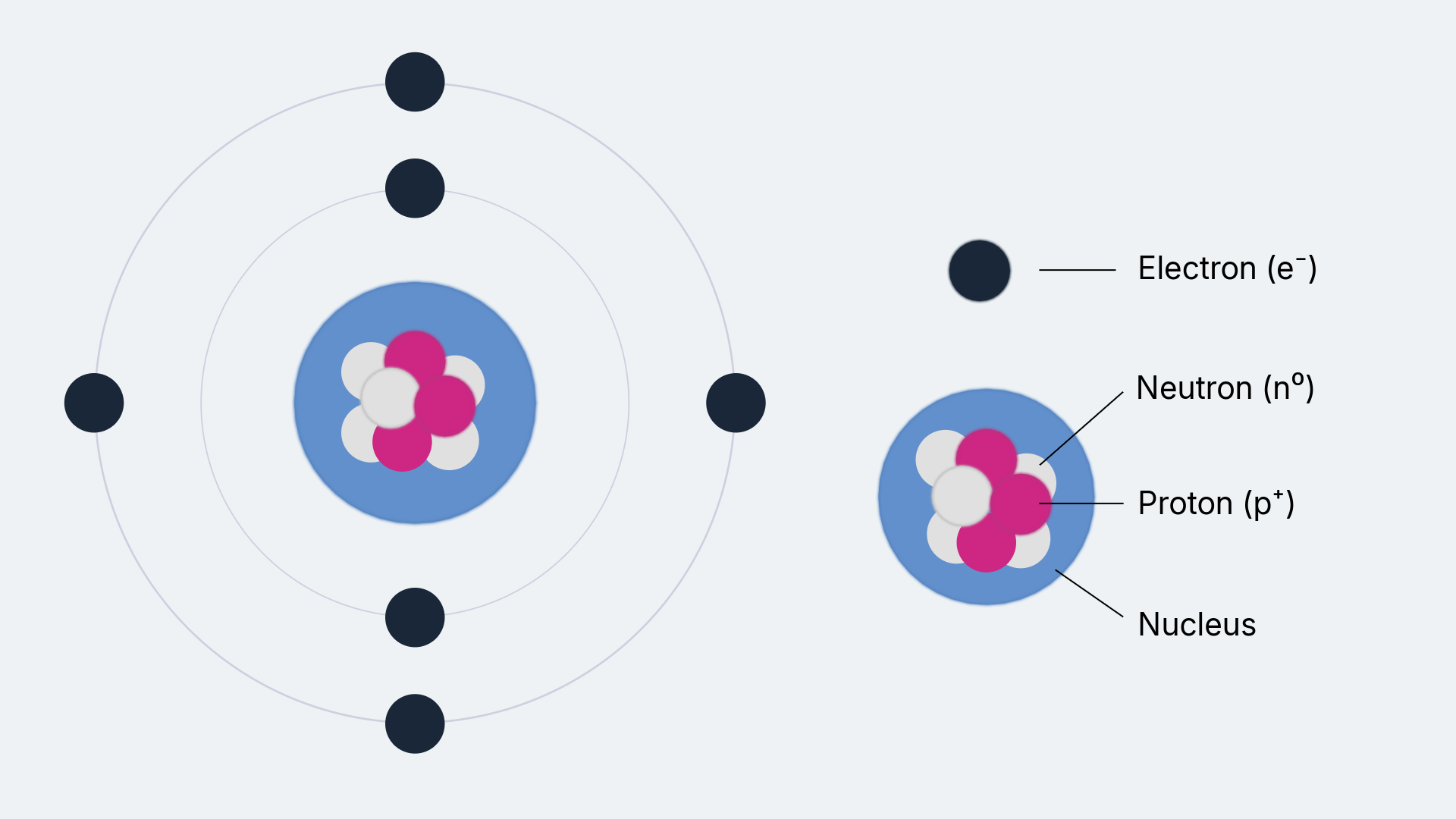
Similar to how like-magnetic poles repel each other, positively charged nuclei repel each other too, which means atomic nuclei rarely get close enough to fuse.
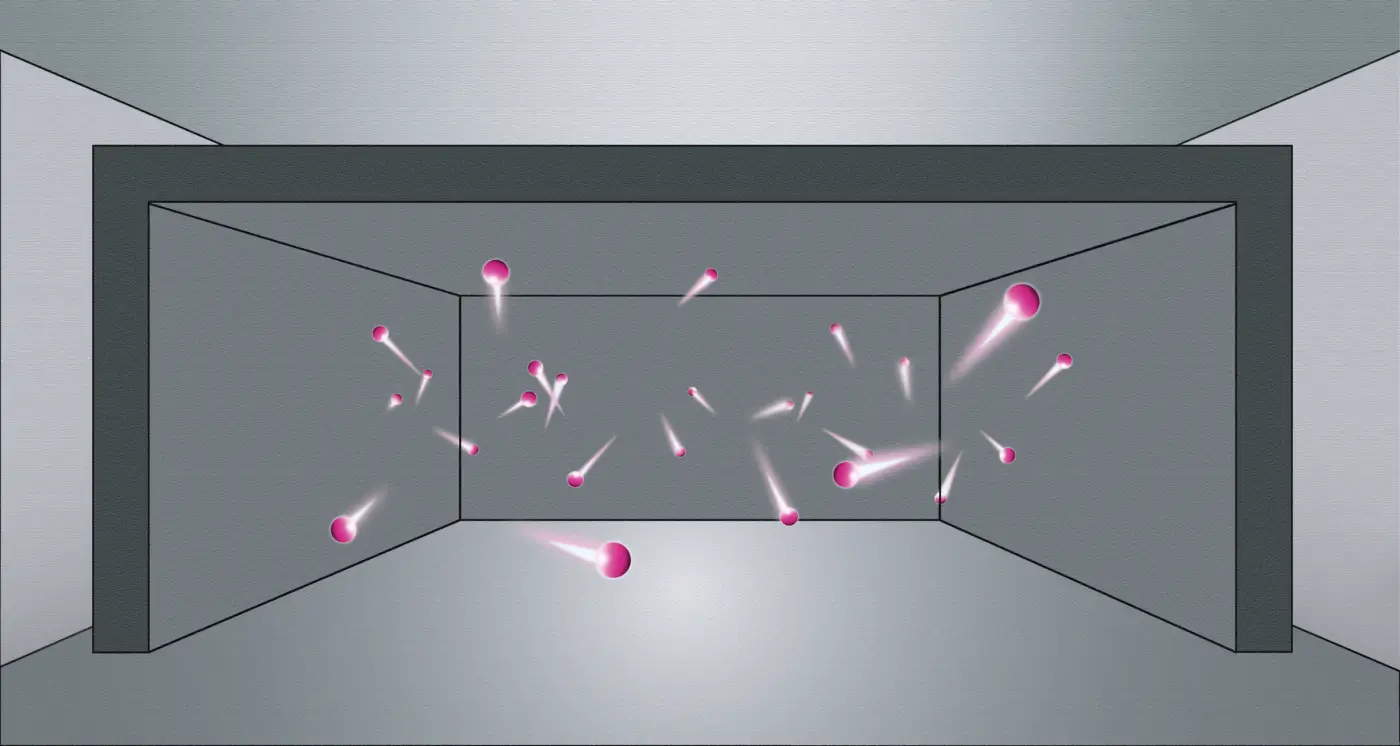
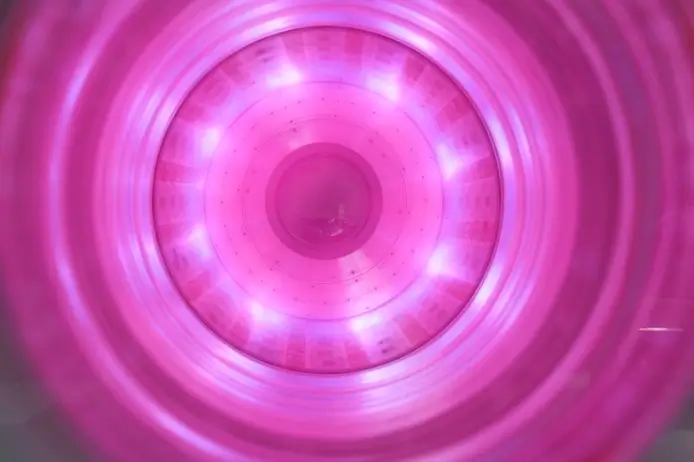
For fusion to occur, light atoms like hydrogen or helium have to be heated to extremely high temperatures and pressures to reach the fourth state of matter, plasma, where electrons separate from their nuclei and the nuclei move fast enough to overcome their electrical repulsion and get close enough to bind.
When the two light nuclei merge, they create a heavier nucleus. During that process, a small portion of their mass converts to energy, which is where Einstein’s equation, E=Δmc², comes in.
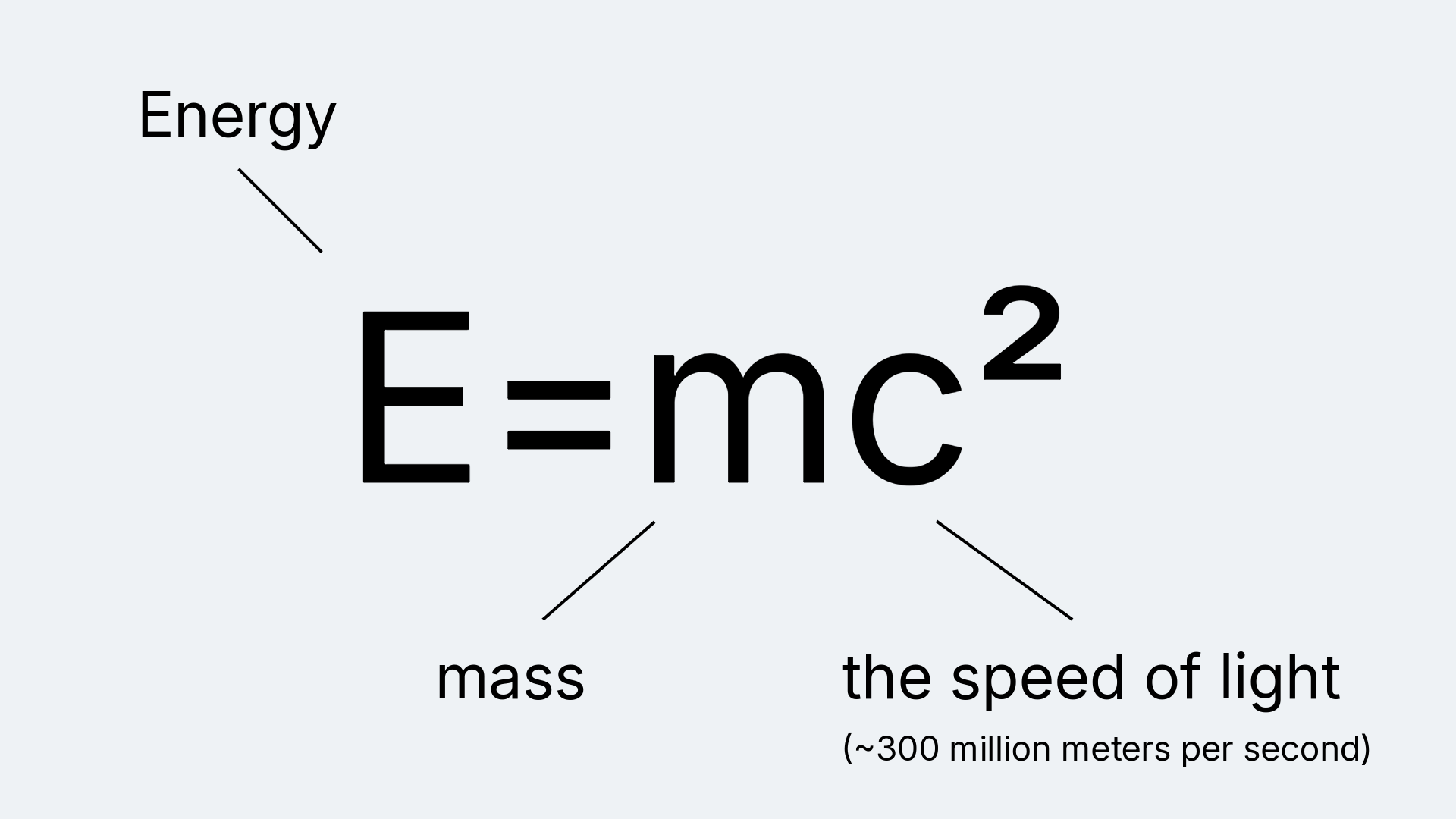
Because c2 is such an enormous number, a tiny amount of mass can convert to a huge amount of energy. It’s why scientists have been trying to harness the power of the sun on Earth for nearly 100 years.
Fusion fuel
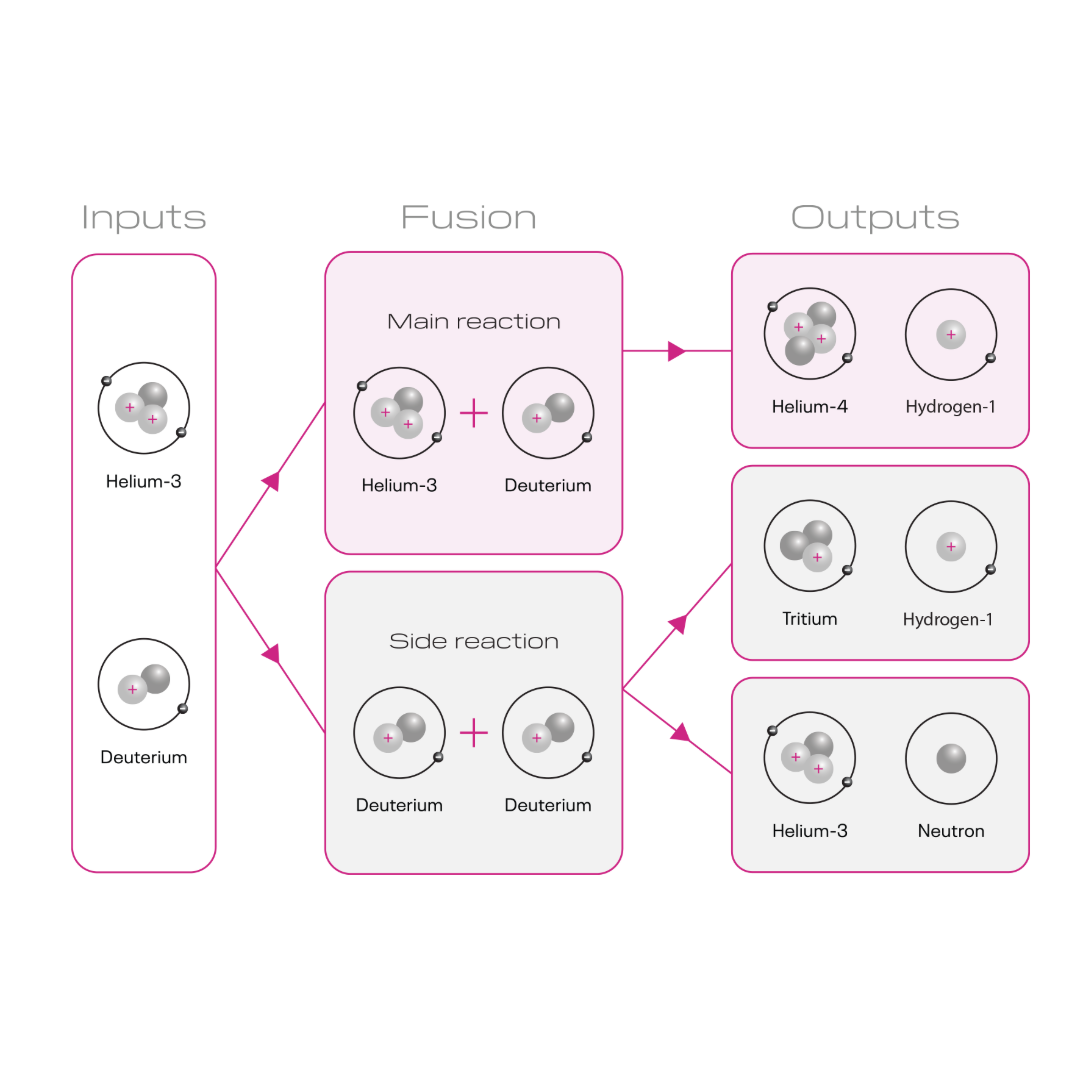
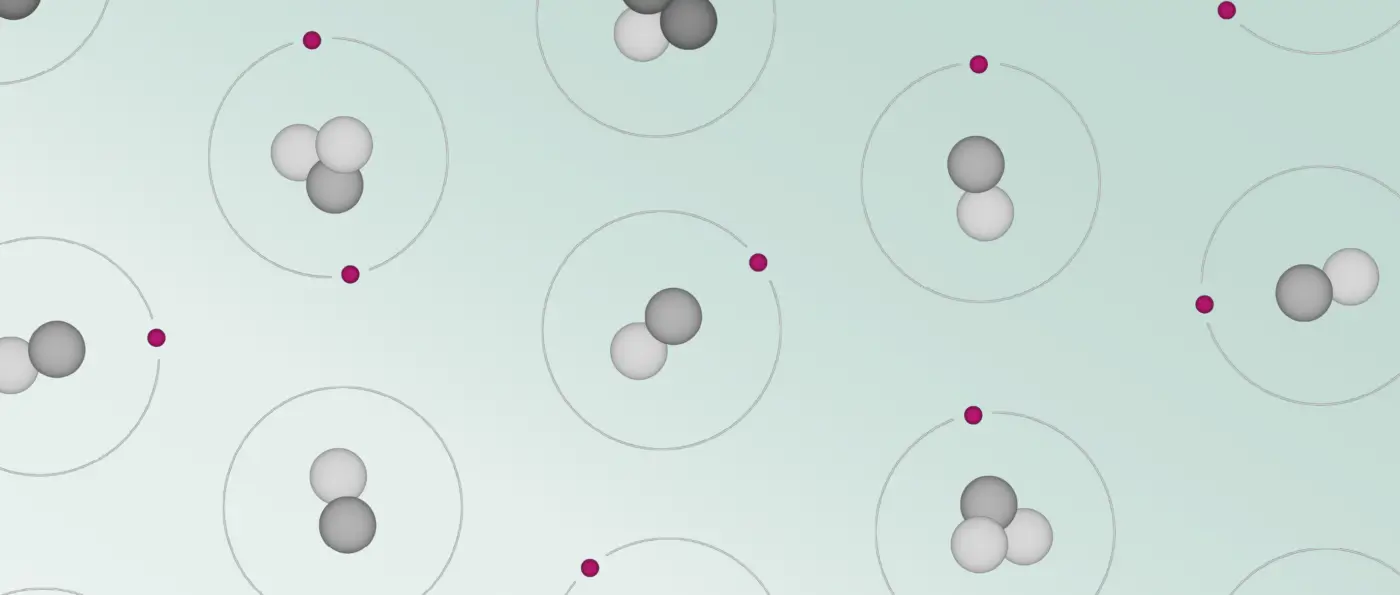
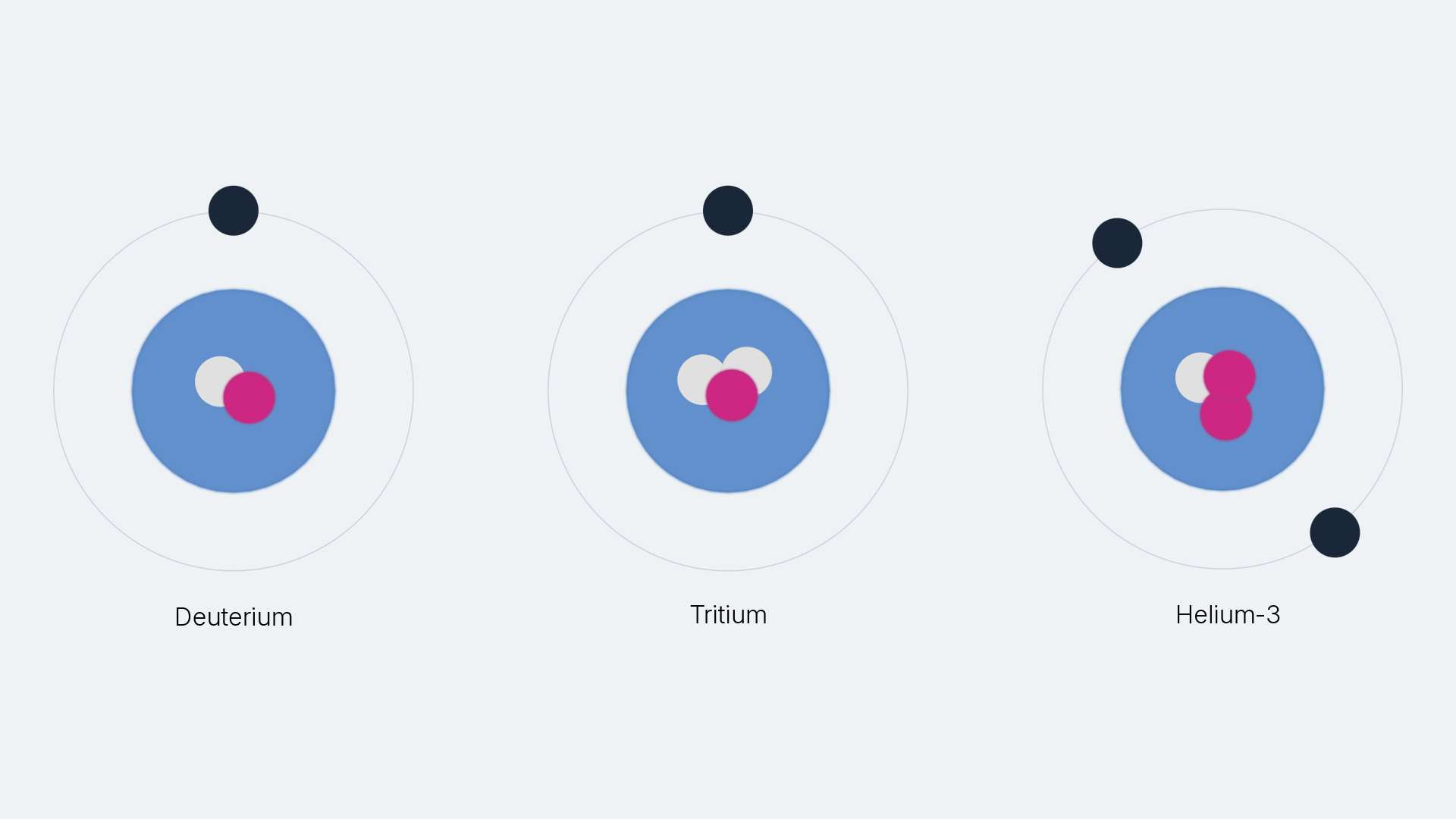
The sun is primarily made up of hydrogen and helium, and fusion fuels on Earth reflect the same. Hydrogen has three isotopes, or variants, each with different numbers of neutrons in their nucleus. Protium, the most plentiful and ordinary isotope of hydrogen, has one proton in its nucleus, deuterium (D) has one proton and one neutron, and tritium (T) has one proton and two neutrons.
Different fusion approaches use different fuels, as well as different methods for creating and controlling the conditions needed for fusion. Helion uses deuterium, tritium, and helium-3, which is an isotope of helium.
Why fusion is difficult
A fusion machine has to create fusion conditions without the gravity or size that the Sun uses to produce fusion reactions. Fusion systems under development around the world use a variety of approaches to heat plasmas to hundreds of millions of degrees.
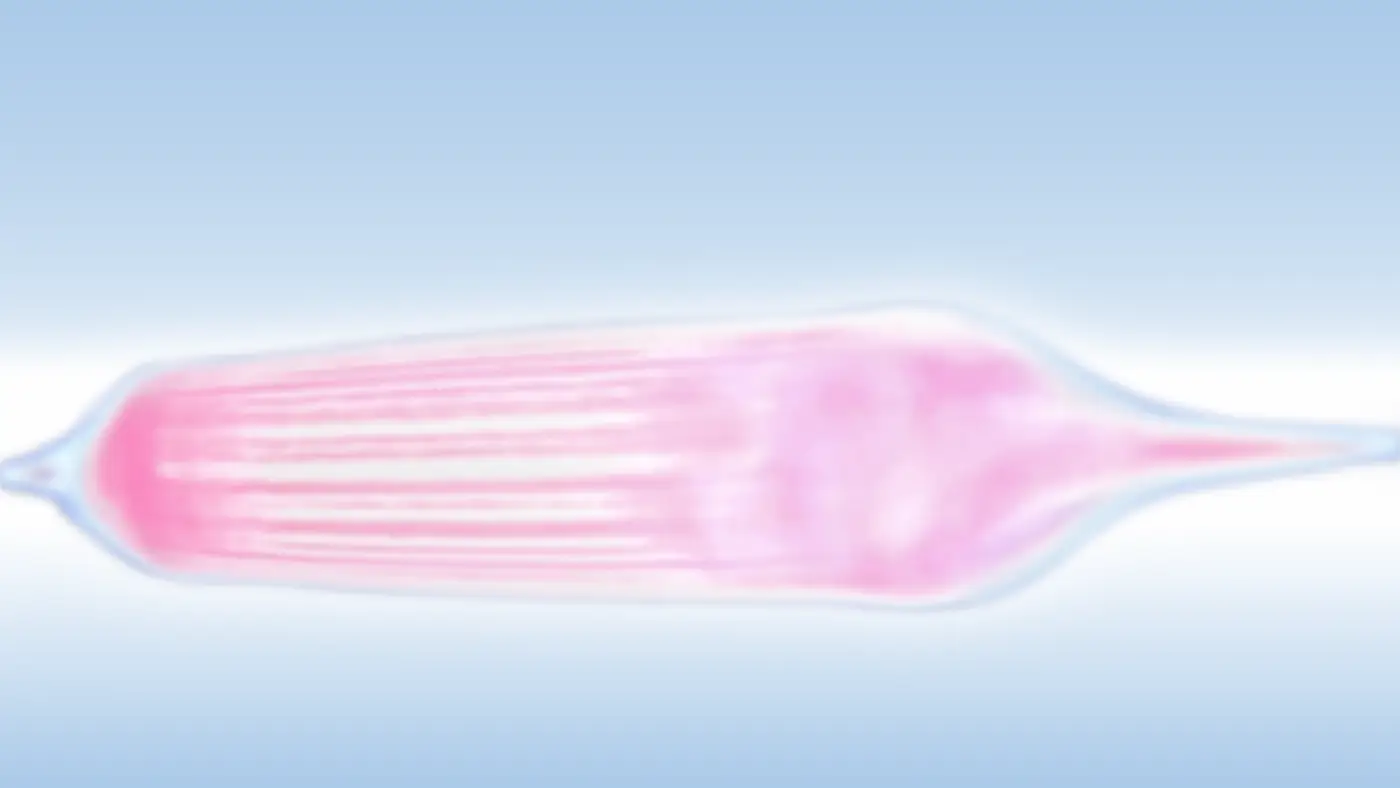
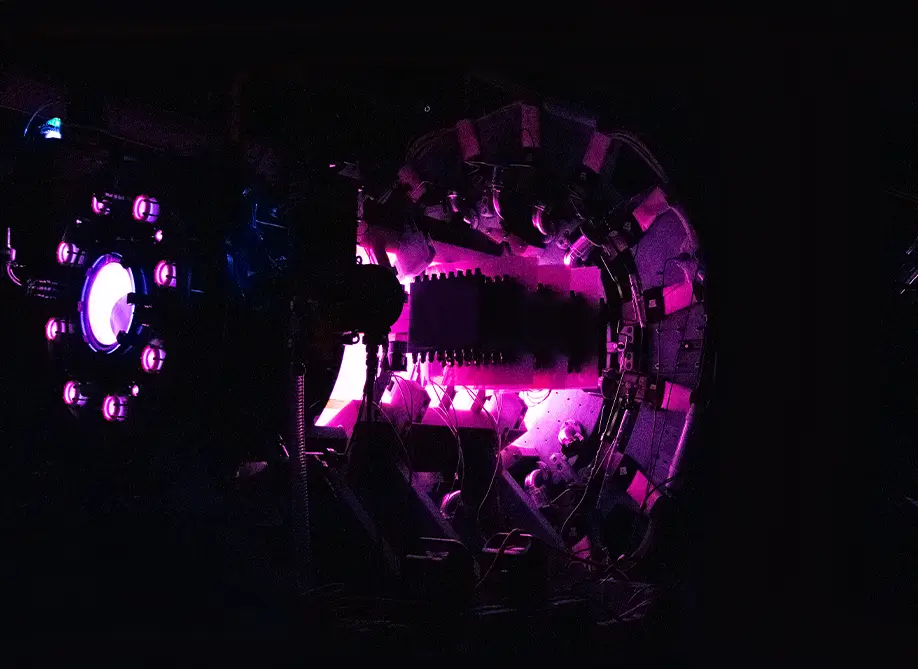
Helion uses a combination of magnetic and inertial confinement in a pulsed fusion process where plasmas are formed into donut-shaped field-reversed configurations, or FRCs, and accelerated toward one another, merged, and compressed with magnetic fields. The magnetic compression rapidly raises the plasma’s temperature and density to create the right conditions for fusion.
The conditions are extreme, but they exist for less than a millisecond. As the plasma expands, it pushes back against the machine’s magnetic field, and the changing magnetic field induces an electrical current that is directly recaptured as electricity.
Different fusion approaches have different challenges, but the bulk of difficulties boil down to temperature, particle density, and confinement time.
Is fusion the same as nuclear fission?
Fusion is sometimes grouped together with nuclear fission used in nuclear power plants because both processes release energy through changes to atomic nuclei. The underlying processes, however, are very different.
Fission releases energy by splitting heavy atoms, like uranium, to release additional neutrons, which can continue the process through a controlled chain reaction. Fusion works in the opposite manner by combining light atoms. If the extreme fusion conditions aren't maintained, fusion stops.
The fuel and byproducts are also different. Fusion does not produce the same long-lived, high-level radioactive waste associated with conventional fission power plants.
Why pursue fusion energy?
Fusion is often deemed to be the next frontier of energy, and rightfully so. Fusion fuels contain enormous amounts of energy relative to their mass, and many fuels are abundant or can be produced from fusion itself. Deuterium, for example, occurs naturally in water.
Fusion is carbon-free, and a fusion power plant can run continuously. It’s clean, safe, and reliable in a way no other energy sources can match.
What’s greater than the clean electricity itself is what unlimited energy can unlock. Fusion is an advancement that could quite literally change the world.
.png)