Does fusion produce radiation?
September 4, 2026
Helion Team
What is radiation?
Radiation is a natural part of everyday life. By definition, radiation is energy that travels as waves or particles. We encounter radiation via sunlight, heating up leftovers in the microwave, eating a banana, and many more everyday activities. Radiation also plays important roles in cancer treatment, medical imaging, smoke detectors, spacecraft power systems, and electricity generation.
Radiation generally falls into two categories: ionizing and non-ionizing. Non-ionizing radiation does not carry enough energy to change, or “ionize” atoms, which means it does little to affect the atomic world around us. Radio waves, Wi-Fi signals, microwaves, and visible light fall into this category. Ionizing radiation can impact atoms and molecules as it has enough energy to remove electrons from them, which creates ions. Due to this, ionizing radiation can pose health risks, but these are well understood and can be managed with proven protections.
There are five major types of ionizing radiation: alpha particles, beta particles, neutrons, gamma rays, and x-rays. Each one is characterized by what they’re made of, how far they travel, and what it takes to stop them.
.png)
Where does radiation come from in a fusion facility?
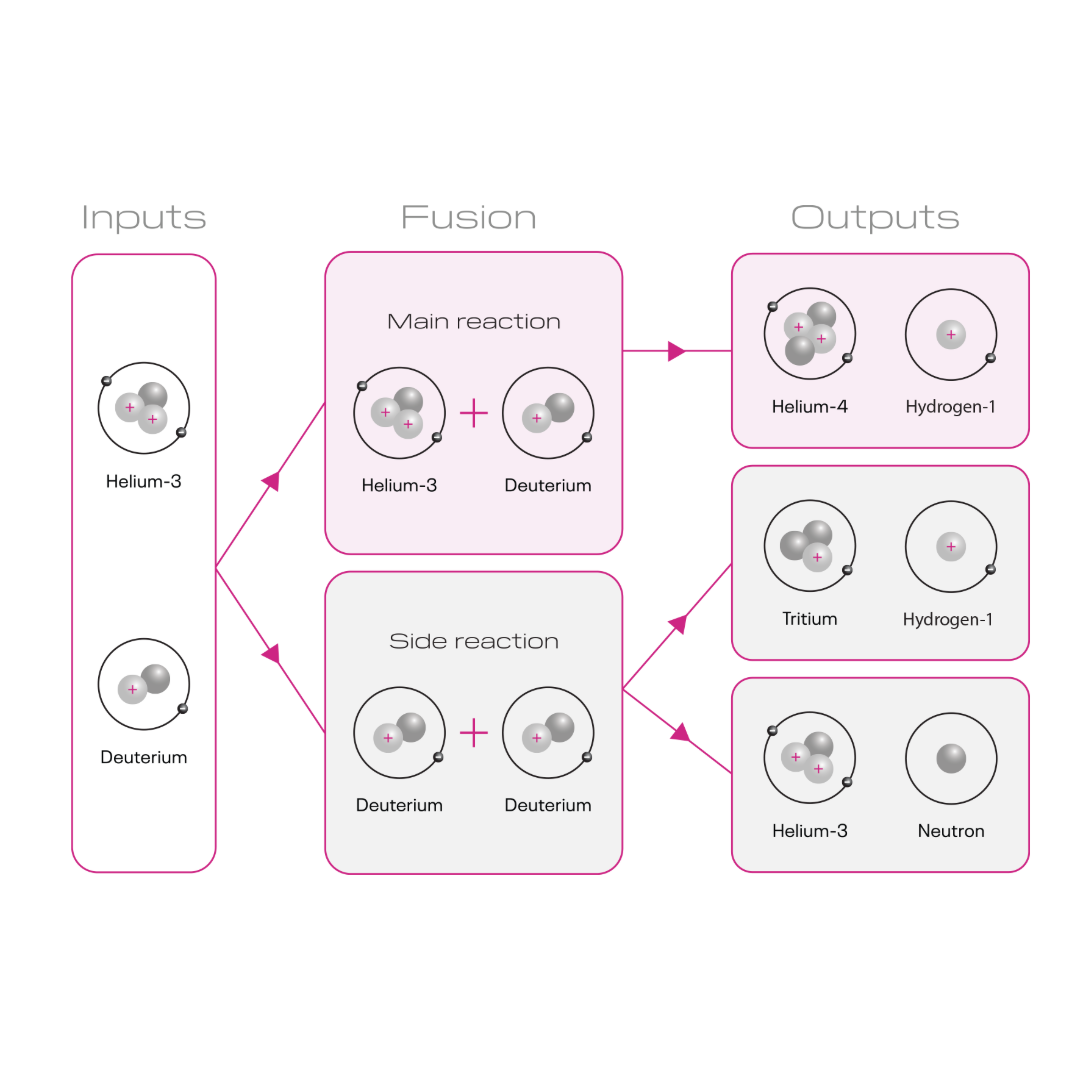
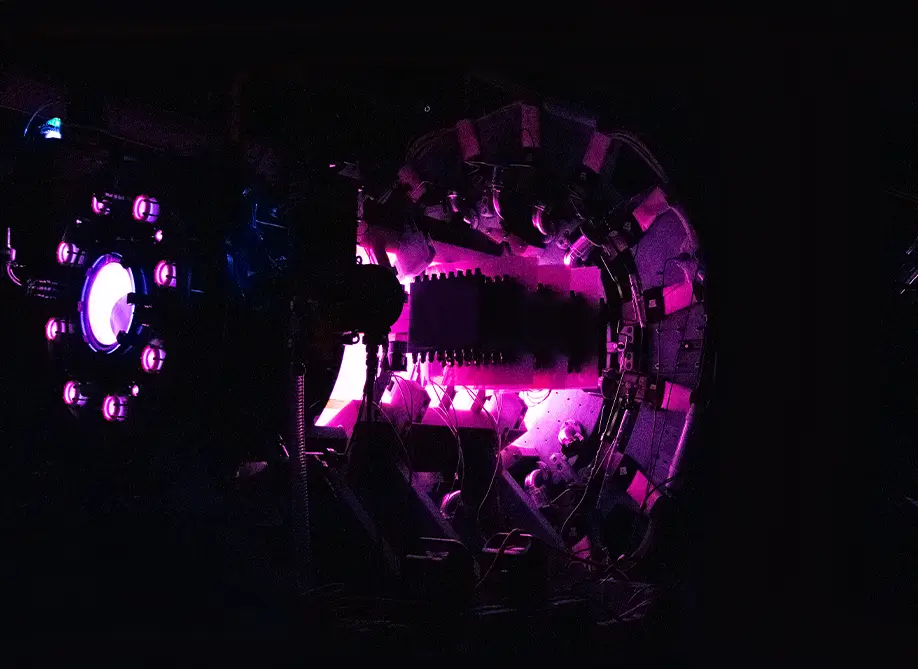
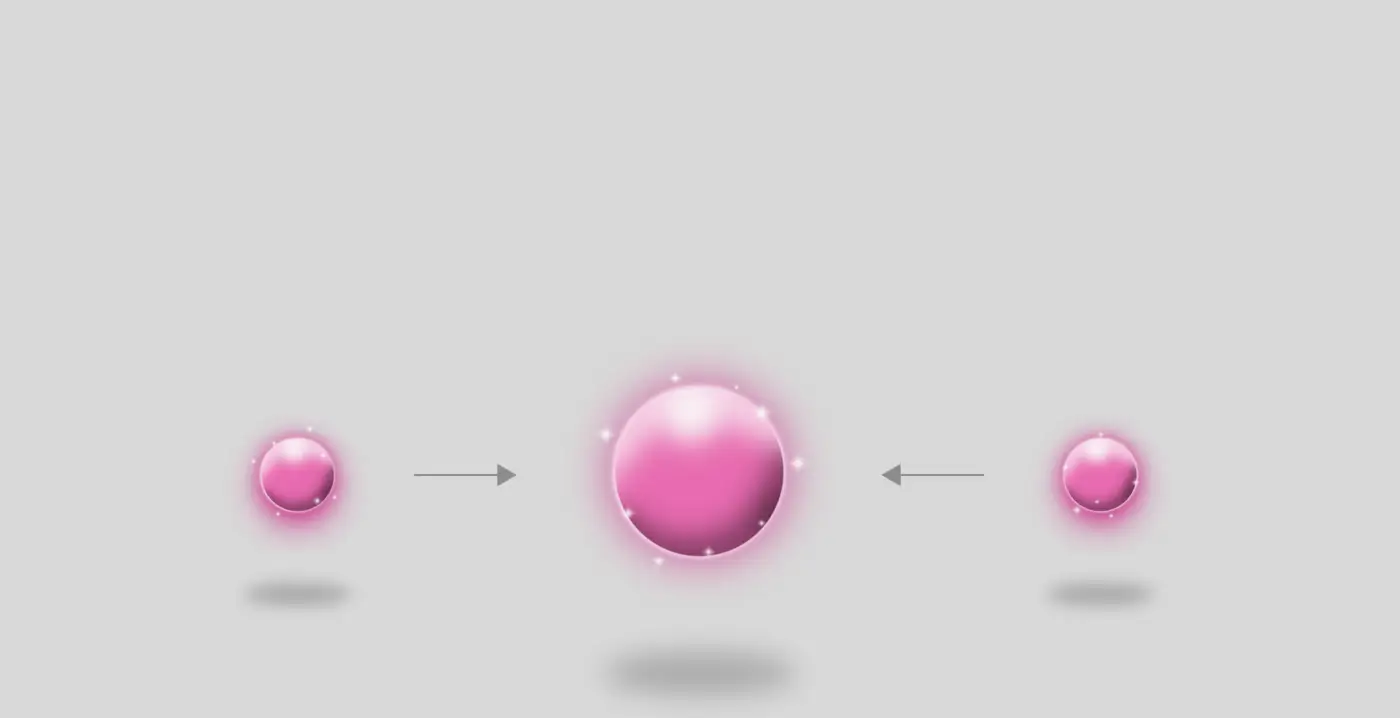
First things first: fusion does not produce the same long-lived, high-level radioactive waste associated with conventional nuclear fission power plants and cannot run away or melt down. Fusion does generate radiation and activated materials, primarily from fusion itself and some fusion fuels.
Radiation from fusion and fusion plasma
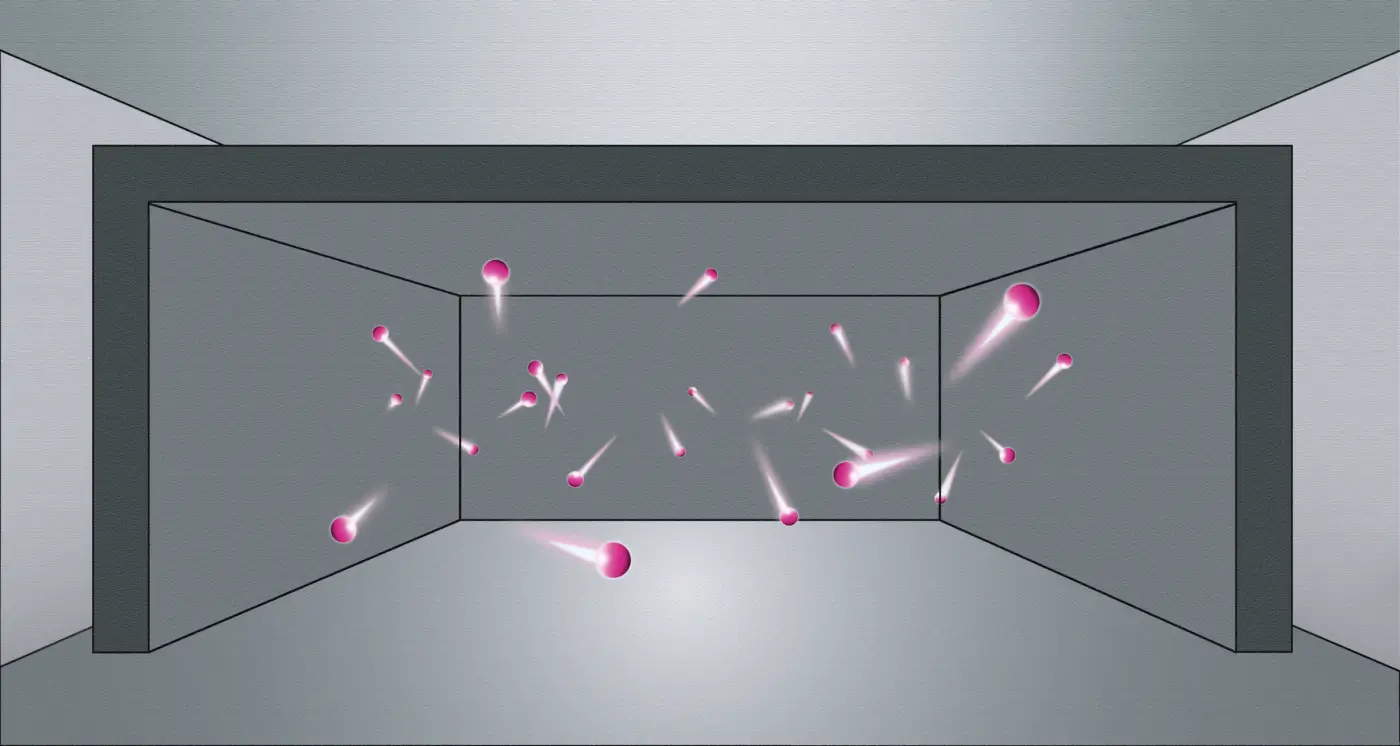
Neutrons, the neutral particles in the nucleus of an atom, may be produced by fusion machines as a result of atoms fusing together. Since neutrons have no charge, they are not affected by the magnetic field of the machine. Instead, neutrons are contained using materials like concrete and plastic in shielding walls around the machine. These materials contain a lot of hydrogen, which is very effective at slowing down fast-moving neutrons so they can be safely absorbed.
Some fusion interactions between neutrons and surrounding materials can produce gamma rays, and fusion plasmas contain energetic particles that can emit X-rays as they accelerate, slow down, or change direction. Gamma rays and X-rays are both high-energy forms of light and are safely contained within the shielding.
Radiation from fuel
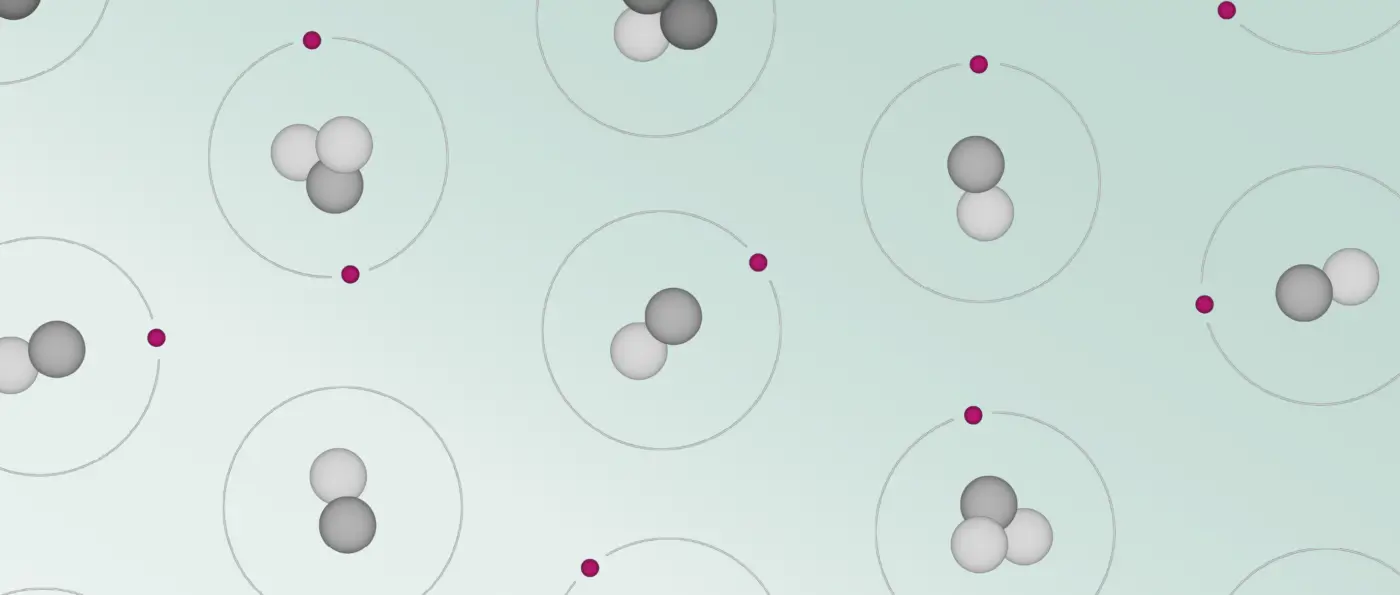
Tritium is a form of hydrogen that can be both a fusion fuel and a byproduct of fusion. Tritium has a half-life of 12.3 years, which means it gradually decays into helium-3, Helion’s primary fusion fuel. This makes tritium extremely valuable. When tritium is created in fusion, we capture it, filter it, and store it for future use.
Tritium naturally emits low-energy beta radiation meaning that the tiny electrons it produces as it decays are very weak. Like any radioactive material, though, tritium deserves respect. While its radiation can't penetrate skin, it can pose a health risk if ingested or inhaled. This is well understood and it's why facilities that handle tritium continuously monitor for it and keep any emissions below regulatory limits.
Radiation monitoring and safety
Fusion facilities, including Helion, use a variety of tools to measure radiation, shield it, and verify that the protections are adequate and remain working correctly. At Helion, concrete shielding surrounds the fusion generator, and we have fuel and exhaust systems to capture tritium and store it safely for future use.
We continuously monitor radiation levels at our facility, including the air leaving the facility and inside the buildings, and we regularly test the surrounding environment, equipment, and even our employees to confirm that our systems are working as designed. These tests are routinely analyzed and verified by independent laboratories.
Over the operating life of a power plant, the radiation from fusion will activate some of the materials inside the machine. Helion’s generators are specifically designed to use materials that result in low levels of activation, and Helion plans and funds decommissioning for each generator before it begins operating, a process approved by regulators.
Is radiation from fusion regulated?
All of Helion’s work is overseen by state and national regulators who set requirements for radiation safety, environmental monitoring, and emissions. Our fusion activities are licensed under the same framework of rules and regulations as universities and hospitals, where X-rays, MRIs, and lifesaving nuclear medicine are used daily.
In Washington State, the Department of Health issues licenses to handle radioactive materials, inspects our facilities, and reviews operations to verify compliance. These independent reviews help ensure that our monitoring programs are accurate, that our protective systems are working, and that our commitments to safety are being met.
Radiation measurement and protection are built on nearly a century of health physics and safety science. At Helion, we put that expertise to work every day so we can bring clean, abundant energy to the world while keeping people and the environment safe.
.png)